Reviewing Mellati Number Embroidery Design for Custom Projects
As an embroidery designer who spends countless hours digitizing and stitching out files for clients, I have learned that not all digital assets are created equal. When I am preparing a batch of personalized gifts or custom apparel for my Etsy shop, the quality of the machine embroidery design can make or break the final product. Recently, I came across the Mellati Number Embroidery Design on Creative Fabrica and decided to put it through its paces. This review shares my honest experience evaluating this font for real-world application, focusing on its utility for handmade business owners and crafters.
First Impressions and Visual Appeal
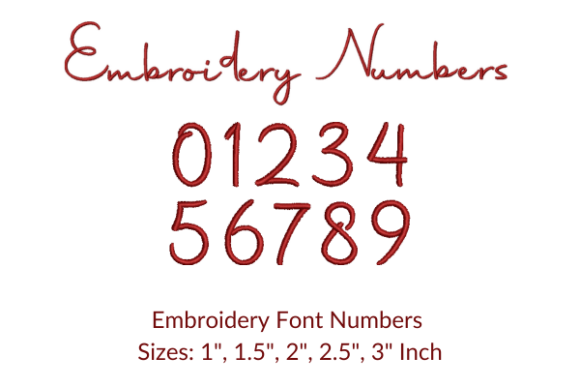
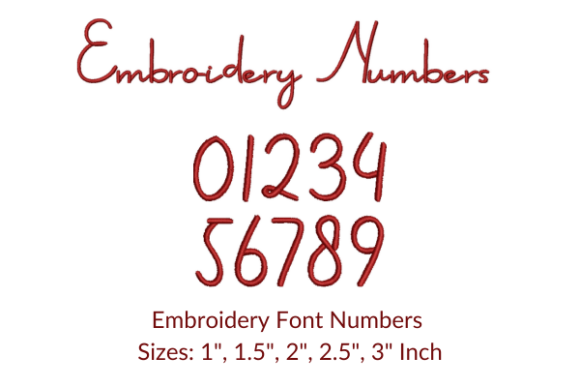
The moment I opened the preview for Mellati Number Embroidery Design, I was struck by its clean and versatile aesthetic. In the world of Embroidery Fonts, finding a number set that balances legibility with decorative charm is often challenging. Many fonts are either too plain for boutique merchandise or too complex for small hoop sizes. This particular design strikes a thoughtful middle ground. It offers a high-quality appearance that suggests professionalism, which is crucial when you are selling finished product items to discerning customers.
The visual mood of this font is modern yet timeless. It does not rely on excessive embellishments that might distract from the primary message, such as a name or a significant date. Instead, it focuses on clarity and structure. For those of us who create personalized gift items, this clarity is essential. Whether I am stitching a birth date on a baby blanket or a phone number on a work apron, the numbers need to be instantly readable while still looking elegant. The detail level appears sufficient to hold up well under scrutiny, suggesting that it will maintain its integrity even after multiple washes.
Practical Applications for Handmade Businesses
One of the strongest aspects of Mellati Number Embroidery Design is its versatility across various substrates. As a small business owner, I need assets that can adapt to different product lines without requiring extensive re-digitizing. Here is how I envision using this embroidery file in a commercial setting:
- Custom Apparel: The clean lines work beautifully on sweatshirts and caps. For sweatshirt embroidery, the font provides enough weight to stand out against fleece or cotton blends without looking bulky.
- Home Decor and Kitchen Items: I tested the concept mentally for kitchen towels and aprons. Adding a year or a house number using this font adds a bespoke touch that mass-produced items lack. It elevates a simple towel into a handmade product worthy of a higher price point.
- Baby and Nursery Items: Parents love personalization. Using these numbers for birth stats on onesies or nursery wall hangings creates an emotional connection. The soft, approachable style of the font fits well within the nursery decor niche.
- Accessories and Patches: For embroidered patch creation, the design’s structure allows for clear definition even at smaller scales. This is vital for items like tote bags or backpacks where space might be limited.
By integrating this font into your design assets, you can create a cohesive brand look. Consistency in typography helps buyers recognize your work, building trust and encouraging repeat purchases. Whether you are creating a tote bag design for a local market or a seasonal gift line, this font supports a professional presentation.
Technical Considerations for Real Stitching
While the visual appeal is strong, any experienced embroiderer knows that the devil is in the details. Before committing to a large production run, there are several technical factors to consider with Mellati Number Embroidery Design. Since the product description notes that users should check the sizes and stitches, it is imperative to review the specific file details on the Creative Fabrica embroidery product page before purchasing.
Stitch Density and Fabric Choice
When working with textured fabrics like terry cloth towels or thick fleece, stitch density becomes critical. If the font relies heavily on satin stitch columns, it may sink into plush fabrics unless proper underlay is used. Conversely, if it utilizes fill stitch areas, you must ensure the density is not so high that it causes puckering on lighter materials like cotton poplin. Always test on scrap fabric first. I recommend using a cut-away stabilizer for stretchy fabrics like jersey knits used in t-shirts, and a tear-away for stable woven fabrics like canvas tote bags.
Hoop Size and Scaling
Not all numbers are created equal in terms of minimum size. Some intricate fonts become illegible when scaled down for small hoops, such as 4x4 inch frames often used for caps or patches. You must confirm the minimum recommended size for this font. If you attempt to stitch tiny lettering below the recommended threshold, you risk thread breaks and lost detail. Check the product details to see if multiple hoop sizes are included or if the design is scalable within safe limits.
Thread Color Contrast
For dark fabrics, the choice of thread color is vital. A light-colored thread on a dark background can highlight any minor imperfections in the stitch-out. I suggest running a test on both light and dark fabric mockups. This helps you determine if you need to adjust tension or change needle types to achieve a crisp result. High contrast can enhance the visual appeal, but only if the stitching is clean.
Enhancing Product Value and Buyer Trust
Using high-quality fonts like Mellati Number Embroidery Design directly impacts perceived value. Customers are increasingly savvy; they can spot low-quality digitizing from a mile away. Clean edges, consistent spacing, and professional finishing signal that you care about your craft. This attention to detail builds buyer trust, which is the cornerstone of a successful handmade shop.
Furthermore, this font aids in product photography. Crisp, well-defined numbers photograph better, making your listings more attractive on platforms like Etsy. When you use a reliable digital embroidery file, you reduce the risk of costly mistakes, such as having to rip out stitches or discard ruined garments. This efficiency allows you to focus on marketing and customer engagement rather than troubleshooting technical errors.
Final Verdict and Best Practices
In conclusion, Mellati Number Embroidery Design appears to be a solid addition to any embroiderer’s library, particularly for those focusing on personalized and custom items. Its strength lies in its adaptability and clean aesthetic. However, success depends on proper preparation. Always verify the license terms on the Creative Fabrica product page to ensure you are compliant for commercial embroidery sales. Most designs on the platform come with a commercial license, but it is always wise to double-check.
Before launching a new product line with this font, follow these steps:
- Download the sample or purchase the file and inspect the stitch count and format compatibility with your machine.
- Stitch out tests on various fabrics, including stretchy knits and heavy canvases.
- Experiment with different stabilizers to find the best combination for your specific material.
- Create printable mockups to visualize how the font looks in your branding materials.
- Confirm that the sizes provided fit your most commonly used hoops.
By treating this Embroidery asset with the care it deserves, you can elevate your handmade offerings. Whether you are decorating caps, creating heirloom baby items, or designing functional kitchen wear, this font offers the reliability and style needed to succeed in the competitive handmade marketplace. Remember, the right tools do not just make the job easier; they make the final result something you can be proud to put your name on.