Reviewing the Dinosaur Digital Embroidery Design for Merch
As an embroidery designer who has spent years digitizing logos and testing files for commercial production, I approach every new machine embroidery design with a critical eye. It is not just about whether a motif looks cute on a screen; it is about how it performs under the needle, how it holds up after washing, and most importantly, how it serves the brand identity of the small business using it. Recently, I evaluated the Dinosaur Digital Embroidery Design, a file that promises to add a prehistoric twist to various projects. Here is my professional assessment of its viability for branded merchandise, patches, and custom apparel.
First Impressions: Balancing Playfulness with Precision
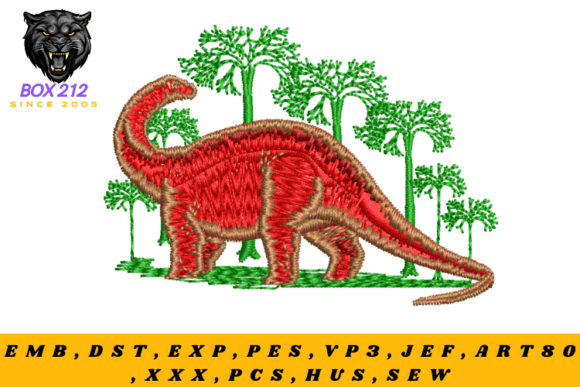
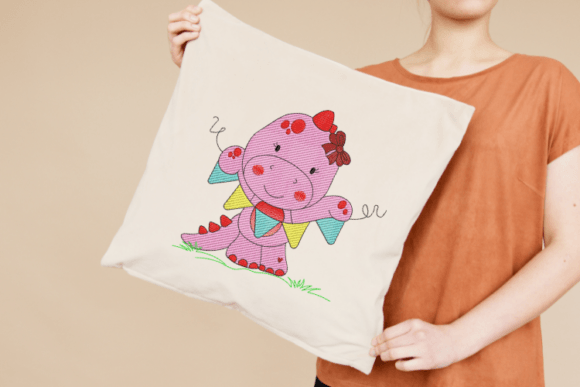
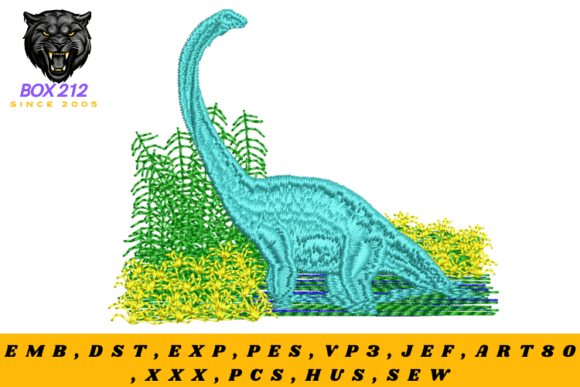
The initial visual impact of this design is undeniably friendly and playful. The description highlights a "detailed and playful dinosaur," which immediately signals its primary audience: families, children, and brands that want to project approachability. For a boutique selling handmade goods or a local café looking to create kid-friendly merchandise, this aesthetic is gold. However, from a technical standpoint, "detailed" can be a double-edged sword in embroidery.
When reviewing the digital embroidery file, I look for clean lines and logical stitch paths. A design that is too intricate can become a muddy mess if the stitch density is too high or if the fabric texture is not considered. This particular design seems to strike a balance, offering enough detail to be recognizable as a specific character or species without relying on micro-details that might break during production. It feels modern yet classic, avoiding the overly cartoonish look that can sometimes cheapen a brand’s perceived value.
Real-World Applications for Small Business Merch
For small business owners, Etsy sellers, and merch creators, versatility is key. You need assets that work across multiple product types. Here is how I envision the Dinosaur Digital Embroidery Design performing in real commercial scenarios:
- Embroidered Patches: This is perhaps the strongest use case. A well-digitized dinosaur makes for an excellent iron-on or sew-on patch. Patches allow for higher stitch density and more detail than direct-to-garment embroidery because they are often backed with stiff stabilizer. These can be sold as standalone products or used to upgrade plain tote bags and denim jackets.
- Custom Apparel and Uniforms: For a pet brand, a daycare, or a family-oriented bakery, this design works beautifully as a chest logo accent on staff uniforms. It adds personality to standard polo shirts or aprons without being overwhelming.
- Cap Embroidery: Placing this on the front panel of a cap requires careful scaling. The curved surface of a cap distorts designs, so the dinosaur’s proportions must remain clear even when slightly compressed. If the design is too wide, it may wrap around the sides uncomfortably.
- Tote Bag Design: Canvas tote bags are a staple for craft fairs and boutique giveaways. The bold nature of a dinosaur silhouette stands out well against natural cotton or colored canvas, making it a high-visibility branding tool.
Technical Considerations and Production Risks
While the artistic merit is strong, we must discuss the technical execution. Any experienced embroiderer knows that a pretty picture does not always equal a good embroidery file. Before running a full batch of commercial embroidery orders, there are several factors to evaluate.
First, consider the stitch density. If the design packs too many stitches into a small area, it can cause puckering, especially on lighter fabrics like t-shirts or linen aprons. Conversely, if the density is too low, the backing fabric might show through, ruining the premium look of the finished product. I recommend running a test stitch-out on the exact fabric you plan to use for production.
Second, think about thread colors and contrast. A detailed dinosaur likely uses multiple color stops. On dark uniforms, such as navy or black staff shirts, you must ensure the thread colors have enough brightness to pop. If the design relies on subtle shading, it may get lost on dark textiles. Always create a printable mockup or a digital proof to check contrast before committing to thread purchases.
Third, be cautious with hoop size limitations. Ensure the design fits comfortably within your standard hoop sizes without requiring excessive re-hooping, which can lead to misalignment. For smaller items like baby clothes or pocket accents, verify that the details remain legible when scaled down. Tiny lettering or fine outlines often disappear at small sizes, so this design should be tested at its minimum viable dimension.
Impact on Brand Identity and Customer Trust
Why does the choice of design matter for your business? Because consistency builds trust. When a customer sees a high-quality embroidered dinosaur on a tote bag, a patch, and an apron, they recognize a cohesive brand identity. It signals professionalism and attention to detail. A sloppy or poorly digitized design can make a handmade product look amateurish, whereas a crisp, clean embroidery elevates the perceived value of the item.
Using a distinctive motif like this helps with recognition. In a crowded marketplace, having a signature visual element—whether it is a specific dinosaur pose or style—can become part of your brand’s visual language. It transforms a generic item into a branded asset. For Etsy sellers, this differentiation is crucial for standing out in search results and converting browsers into buyers.
Practical Designer Notes for Implementation
Before you integrate the Dinosaur Digital Embroidery Design into your product line, follow these practical steps to ensure success:
- Test in Black and White: Before worrying about color matching, stitch the design out in black thread on white fabric. This reveals the structural integrity of the digitizing. If it looks good in monochrome, it will look great in color.
- Check Stabilizer Compatibility: Use the appropriate stabilizer for your fabric. Cut-away stabilizer is usually best for stretchy fabrics like t-shirts, while tear-away works for woven materials like tote bags. The wrong stabilizer can ruin the shape of the dinosaur.
- Verify Commercial Licensing: Always confirm the license terms of the digital embroidery file. Ensure you have the right to use it for physical goods you intend to sell. Never assume a download is free for commercial use unless explicitly stated.
- Create Client Mockups: If you are doing custom work for a client, place the design on a photo of the actual garment. This manages expectations and allows for approval before stitching begins.
- Inspect Spacing and Jump Stitches: Look at the stitch file in your software. Are there unnecessary jump stitches that could snag? Is the spacing between elements tight enough to prevent loose threads?
In conclusion, the Dinosaur Digital Embroidery Design offers significant potential for small businesses looking to add a playful yet professional touch to their merchandise. By respecting the technical constraints of embroidery and focusing on consistent brand application, this design can become a valuable asset in your design assets library. Whether used for a charming apron embroidery project or a durable patch, it bridges the gap between fun aesthetics and commercial viability. Just remember to test, validate, and prioritize quality control to ensure every stitch reflects the professionalism of your brand.