Pirate Digital Embroidery Design Review
As an embroidery designer who spends countless hours digitizing and stitching for clients, I am always on the lookout for high-quality machine embroidery design assets that can streamline my workflow without sacrificing quality. Recently, I explored the Pirate Digital Embroidery Design available on Creative Fabrica. With the rise of themed parties, costume seasons, and niche apparel trends, having a reliable pirate motif in my library seemed like a smart move. This review breaks down my experience evaluating this design for real-world commercial use, from initial visual impression to practical stitching considerations.
First Impressions and Visual Appeal
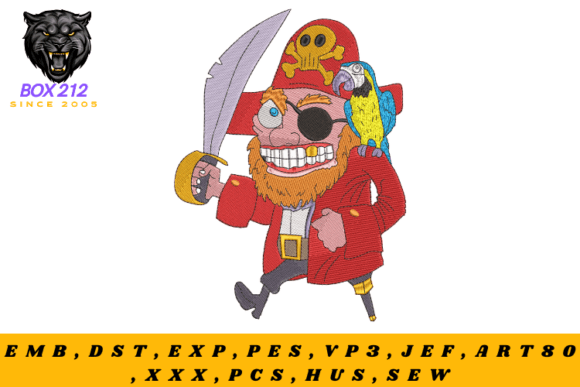
The first thing that catches your eye with the Pirate Digital Embroidery Design is its bold, adventurous aesthetic. The description promises a "classic pirate motif complete with iconic details," and visually, it delivers on that promise. The design carries a playful yet rugged mood that fits perfectly into the current trend of whimsical, character-driven decor and apparel. For designers looking to create standout handmade product listings, the visual clarity of this motif is a significant advantage. It does not rely on overly complex shading that might get lost in thread; instead, it uses strong shapes and recognizable symbols that read well from a distance.
The decorative appeal here is versatile. It is not just for children’s costumes. With the right color palette, this design can be adapted for boutique merchandise, such as nautical-themed nursery decor or edgy streetwear accessories. The balance between detail and simplicity suggests that it was digitized with actual production in mind, rather than just for digital mockups.
Practical Applications for Commercial Projects
When I evaluate a new embroidery file, I immediately brainstorm where it can be applied to generate revenue. The Pirate Digital Embroidery Design offers several viable avenues for commercial embroidery projects:
- Custom Apparel: This design shines on sweatshirt embroidery projects. A large hoop placement on the back of a hoodie or a smaller chest placement on a t-shirt creates instant visual interest.
- Accessories and Bags: As a tote bag design, it adds character to canvas bags, which are popular eco-friendly gifts. It also works well on denim jackets or caps, provided the curvature is managed correctly.
- Home Decor: Think pillow covers for a boy’s room or kitchen towels for a themed party. The bold lines hold up well against textured fabrics like linen or terrycloth.
- Embroidered Patches: This is perhaps one of the strongest use cases. Creating iron-on or sew-on patches allows for batch production, which is ideal for craft fairs and Etsy shops.
For those selling personalized gift items, this design serves as an excellent base. You can easily combine it with custom lettering or names to increase the perceived value of the finished product.
Technical Considerations and Stitching Performance
While the visual preview is promising, the true test of any digital embroidery file lies in its technical execution. Here are the critical factors I consider before loading this design onto my machine:
Stitch Density and Thread Choice
The design appears to utilize a mix of fill stitch for larger areas and satin stitch for borders or finer details. This combination is standard for durable designs, but it requires attention to stitch density. If the fill areas are too dense, they can cause puckering, especially on lighter fabrics. I recommend testing on scrap fabric first to ensure the tension is balanced. Additionally, choosing high-contrast thread colors will make the iconic details pop, whereas low-contrast threads might blur the intricate elements.
Fabric and Stabilizer Selection
Because pirate themes often appear on casual wear, you may be stitching on stretchy fabrics like jersey or thick materials like denim. Using the correct stabilizer is non-negotiable. For stretchy sweatshirts, a cut-away stabilizer provides the necessary support to prevent distortion after washing. For woven fabrics like tote bags or aprons, a tear-away stabilizer might suffice, but always check the back of the stitch-out for cleanliness.
Hoop Size and Placement
One limitation to verify is the hoop size required. While the description mentions it is perfect for themed projects, it does not specify exact dimensions. Before purchasing, check the product details on the Creative Fabrica page to ensure it fits your machine’s maximum hoop capacity. If you plan to use this on curved surfaces like caps, ensure the design is not too wide, as this can cause registration issues during stitching.
Enhancing Product Value and Brand Consistency
Incorporating the Pirate Digital Embroidery Design into your shop can significantly boost buyer trust and engagement. High-quality, clean stitching signals professionalism. When customers see crisp edges and no thread breaks in your product photography, they are more likely to perceive your brand as premium. This design supports brand consistency if you specialize in adventure, nautical, or playful themes.
Furthermore, using this design in printable mockup presentations can help visualize the final product for online shoppers. However, remember that a mockup is not a substitute for a physical sample. Always stitch a physical prototype to confirm that the applique design or standard embroidery holds up under real-world conditions, such as frequent washing or wear.
Final Verdict and Best Practices
The Pirate Digital Embroidery Design is a solid addition to any designer’s library, particularly for those targeting the costume, nursery, or casual apparel markets. Its bold style translates well to various mediums, from embroidered patch creations to full-sized garment decorations. However, success depends on proper preparation.
- Verify File Details: Always check the Creative Fabrica product page for specific file formats, hoop sizes, and license terms before downloading. Ensure the license covers commercial use for the number of items you plan to sell.
- Test Run: Never skip the test stitch. Use scrap fabric similar to your final material to check for puckering or thread breaks.
- Color Planning: Plan your thread colors carefully. Pirate themes often benefit from classic blacks, reds, and golds, but don’t be afraid to experiment with pastels for a softer, nursery-friendly look.
- Quality Control: Inspect small details after stitching. Trim jump stitches meticulously to maintain a professional finish.
In conclusion, if you are looking for a versatile, eye-catching motif that can elevate your custom apparel or handmade gifts, this design is worth considering. It offers the creative freedom to adapt to various projects while maintaining the structural integrity needed for durable, washable products. Just remember to respect the technical limits of your machine and materials to achieve the best results.