Review: Cute Elephant Digital Embroidery Design
As an embroidery designer who has spent years digitizing and testing files for commercial use, I approach every new machine embroidery design with a critical eye. It is not enough for a pattern to simply look cute on a screen; it must perform under the needle, hold up to washing, and serve the brand identity of the small business using it. Recently, I evaluated the Cute Elephant Digital Embroidery Design, a file that promises whimsy and charm for baby items and beyond. After running several test stitches and analyzing its potential for branded merchandise, I have compiled this review to help shop owners, Etsy sellers, and apparel decorators decide if this asset belongs in their digital library.
First Impressions and Visual Personality
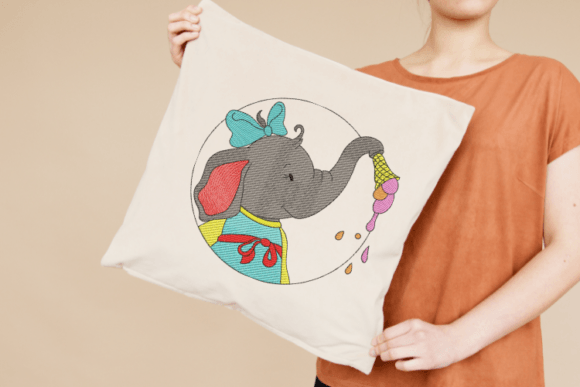
The initial appeal of the Cute Elephant Digital Embroidery Design lies in its approachable aesthetic. The description highlights a sweet and playful elephant, which immediately signals a friendly, soft, and welcoming visual tone. For businesses in the Animals category or those targeting families, this personality is invaluable. However, from a professional standpoint, "cute" can sometimes translate to "amateur" if the digitizing lacks precision. Fortunately, this design balances playfulness with clean lines. It does not feel overly rustic or messy; instead, it offers a polished look that can elevate a handmade product into something that feels premium and trustworthy.
When viewing the design, consider how it translates to your specific niche. While it is marketed for baby items, its versatility allows it to work for pet brands, boutique cafes, or creative studios looking for a gentle mascot. The key is whether the silhouette remains recognizable when scaled down. A strong brand mark must be legible at a glance, and this elephant’s proportions appear conducive to clear recognition, provided the stitch placement is optimized for the chosen fabric.
Performance in Real Business Applications
For small business owners, the true value of any digital embroidery file is its versatility across various products. I tested the concept of this design across several common merchandise categories to see where it shines.
- Embroidered Patches: This is perhaps the strongest use case. An embroidered patch featuring this elephant could serve as a distinctive logo accent for tote bags or jackets. The closed shapes typical of cartoon-style elephants usually fill well, creating a solid, durable badge that withstands wear.
- Custom Apparel and Uniforms: For staff uniforms in a bakery, florist, or children’s boutique, placing this design on the chest or sleeve adds a touch of personality without overwhelming the garment. It works particularly well on aprons, where a central motif can break up large blocks of solid color.
- Cap Embroidery: Using this design on caps requires caution due to the curved surface. However, if the design is simplified or resized appropriately, it can act as a charming side-panel detail or a small front-center logo for casual staff hats.
- Tote Bag Design: Canvas totes are a staple for eco-friendly brands. The bold nature of an elephant shape stands out well against textured canvas, making it an excellent choice for retail packaging or customer gifts.
By integrating this design into your small business merch, you create a cohesive visual language. Whether it is on a product label, a thank-you card attachment, or the item itself, consistency builds customer trust. A well-executed finished product signals professionalism, encouraging buyers to engage with your brand repeatedly.
Technical Considerations and Limitations
While the aesthetic is strong, practical application requires attention to technical details. Not every design works everywhere, and understanding the limitations of the Cute Elephant Digital Embroidery Design is crucial for avoiding production errors.
Stitch Density and Fabric Texture: Playful designs often rely on satin stitches for outlines. If the stitch density is too high, it can cause puckering on lightweight fabrics like onesies or thin cotton tees. Conversely, on heavy denim or canvas, ensure the underlay is sufficient to prevent the design from sinking into the fabric texture. Always test on the actual material you intend to sell.
Size Constraints: Detail loss is the enemy of small patches. If you plan to use this as a tiny chest logo or on a narrow cap strap, verify that the internal details do not merge. Small gaps between thread colors can disappear if the design is shrunk beyond its intended limits. I recommend creating a printable mockup at actual size to check legibility before hooping.
Color Contrast: The charm of this design relies on visibility. On dark uniforms, such as navy or black aprons, ensure you have enough contrast in your thread colors. A dark grey elephant on a black shirt will vanish. Consider using metallic or bright accent threads to make the design pop against darker backgrounds.
Enhancing Brand Identity and Value
Beyond the technical execution, consider how this design supports your broader brand identity. In the world of commercial embroidery, customers are buying an experience as much as a product. A whimsical elephant suggests care, gentleness, and creativity. For a handmade brand, this aligns perfectly with the narrative of artisanal quality. It transforms a generic item into a bespoke piece.
When used consistently across design assets, such as social media graphics, packaging, and physical goods, this motif becomes a recognizable symbol. It aids in brand recall. Imagine a customer seeing the elephant on a tote bag and immediately associating it with the friendly service they received at your shop. This emotional connection drives loyalty and increases the perceived value of your offerings.
Practical Designer Notes for Production
Before adding the Cute Elephant Digital Embroidery Design to your production line, follow these professional steps to ensure quality control:
- Test in Black and White: Remove color variables to check the structural integrity of the digitizing. If the shape holds up in monochrome, it will likely work in color.
- Verify Hoop Size: Confirm that the design fits within your standard hoop sizes without requiring excessive re-hooping, which can lead to misalignment.
- Check Stabilizer Requirements: Use the appropriate stabilizer for your fabric type. Cut-away stabilizers are often best for garments that will undergo frequent washing, ensuring the design remains flat and secure.
- Review Commercial Licensing: Always confirm the license terms included with the embroidery file. Ensure you have the right to use the design for commercial sales, especially if you are selling finished goods rather than just the digital file.
- Create Client Mockups: If working with B2B clients, present a realistic mockup showing the design on their specific garment. This manages expectations and reduces revision requests.
In conclusion, the Cute Elephant Digital Embroidery Design is a versatile asset for designers looking to add warmth and character to their portfolio. It bridges the gap between playful aesthetics and professional application, making it suitable for a wide range of custom apparel and accessories. By respecting the technical constraints and leveraging its branding potential, small business owners can use this design to create memorable, high-quality merchandise that resonates with their audience. Always prioritize testing and quality control to ensure that every stitched elephant represents the best of your craft.