Review: Marine Animal Embroidery Design for Handmade Projects
As an embroidery designer who spends countless hours digitizing patterns and testing them on various fabrics, I have learned that not every digital file translates well into a tangible, high-quality finished product. When browsing Creative Fabrica embroidery collections, I look for designs that offer both aesthetic appeal and technical reliability. Recently, I evaluated the Marine Animal Embroidery Design to determine if it meets the standards required for commercial use and personal crafting. This review breaks down my experience with this underwater-themed pattern, focusing on its practical application for real-world projects.
First Impressions and Visual Appeal
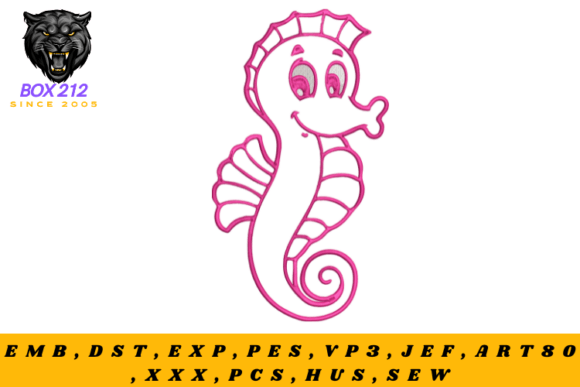
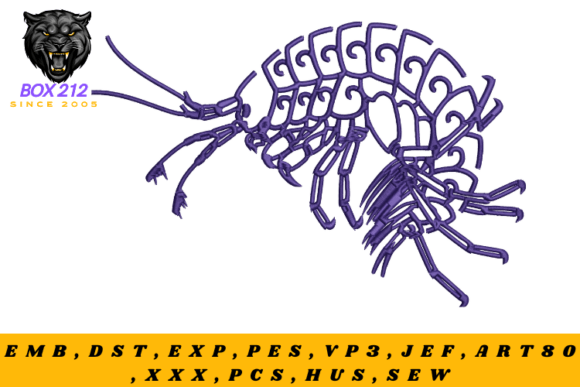
The first thing that catches your eye with the Marine Animal Embroidery Design is its serene mood. The description promises a dive into the beauty of the underwater world, featuring a graceful marine animal. In the context of Animals and nature-inspired Embroidery, this design avoids the cluttered look that often plagues complex digitized files. Instead, it offers a clean, flowing silhouette that suggests movement and tranquility.
For designers, the visual personality of a pattern dictates its marketability. This particular design feels versatile. It does not scream "childish," which means it can bridge the gap between nursery decor and adult apparel. The decorative appeal lies in its simplicity, allowing the texture of the thread to shine without requiring excessive color changes or overly dense stitching that might pucker delicate fabrics.
Real-World Application for Commercial Use
When considering a new machine embroidery design for my shop, I immediately visualize where it will live. Will it sell on a tote bag? Does it look premium on a sweatshirt? Here is how I see this digital embroidery file performing across different product categories:
- Custom Apparel: The graceful lines of the marine animal work beautifully on the left chest of a denim jacket or the back of a lightweight cotton tee. It adds a subtle, artistic touch rather than a loud graphic statement.
- Tote Bag Design: Canvas bags are a staple for craft fairs. Placing this design centrally on a natural canvas tote creates an eco-friendly, ocean-conscious vibe that resonates with buyers looking for sustainable accessories.
- Sweatshirt Embroidery: On heavier fabrics like fleece or French terry, the design needs to hold its shape. If the stitch density is balanced, it can serve as a focal point on a crewneck, offering a boutique feel that mass-produced prints cannot match.
- Nursery Decor and Baby Items: Given the serene theme, this is ideal for baby blankets or pillow covers. However, safety and softness are paramount, so the backing must be trimmed carefully to ensure no scratchy edges remain against sensitive skin.
- Embroidered Patch: Creating cut-out patches is a trending niche. This design’s clear outlines make it a strong candidate for iron-on or sew-on patches, which can then be sold as standalone design assets or applied to caps and bags.
Technical Considerations and Stitching Performance
While the visual preview is promising, the true test of any embroidery file happens under the needle. Before committing to a large batch of products, I always recommend a rigorous testing phase. Here are the critical technical aspects to consider with the Marine Animal Embroidery Design:
Stitch Density and Fabric Choice: Ocean-themed designs often utilize smooth gradients. If this pattern uses a heavy fill stitch to create the body of the animal, it may require a sturdy stabilizer to prevent puckering on lightweight fabrics like rayon or thin cotton. Conversely, if it relies on satin stitch borders with minimal fill, it will be more forgiving on stretchy materials. Always check the stitch count and density in your embroidery software before loading it onto the machine.
Hoop Size Compatibility: Ensure the design fits within your standard hoop sizes. A design that is too large for a 4x4 inch hoop but too small to justify a 5x7 inch setup can be inefficient for production. Verify the dimensions listed on the Creative Fabrica product page to ensure it aligns with your workflow.
Thread Colors and Contrast: The underwater theme suggests blues, teals, and perhaps sandy neutrals. When stitching on dark fabric, you may need to adjust the thread colors for visibility or use a white underlay to make the colors pop. Test on both light and dark scrap fabrics to see how the thread colors interact with the background material.
Curved Surfaces and Caps: If you plan to use this on caps, remember that curved surfaces distort designs. A wide, horizontal marine animal might wrap awkwardly around the front panel of a hat. In such cases, scaling down the design or choosing a more vertical composition might be necessary.
Enhancing Product Value and Brand Consistency
Using high-quality design assets like the Marine Animal Embroidery Design directly impacts perceived value. Customers can spot low-resolution or poorly digitized patterns from a mile away. A clean, professional stitch-out builds buyer trust. When you present a handmade product with crisp edges and consistent tension, you justify a higher price point.
Furthermore, this design supports brand consistency for shops focused on nature, ocean conservation, or calm aesthetics. It pairs well with other sea-inspired items, allowing you to create cohesive collections for Etsy listings or craft fair displays. High-quality product photography of the stitched item, perhaps alongside a printable mockup for online previews, can significantly boost customer engagement.
Practical Tips for Best Results
To ensure success with this pattern, follow these practical steps before fulfilling customer orders:
- Test on Scrap Fabric: Never stitch a final product first. Use the same fabric type and weight you intend to sell. Check for puckering, thread breaks, or registration issues.
- Use Proper Stabilizer: Match your stabilizer to your fabric. Cut-away stabilizer is often best for stretchy fabrics like sweatshirts, while tear-away works for stable wovens like tote bags.
- Inspect Small Details: After stitching, examine the fine lines. Are there gaps? Is the running stitch outline secure? Tiny imperfections can ruin the professional look of a personalized gift.
- Verify Licensing: Before selling commercial embroidery products, always read the license terms on the Creative Fabrica product page. Ensure you are compliant with their rules regarding physical sales versus digital resales.
- Consider Washing Durability: If the item is a kitchen towel or baby blanket, it will be washed frequently. Ensure the threads are colorfast and the stitches are secure enough to withstand agitation.
Final Verdict
The Marine Animal Embroidery Design offers a compelling blend of artistic grace and practical versatility. For embroidery designers and small business owners, it represents a solid addition to a library of nature-themed patterns. Its potential applications range from custom apparel to home decor, making it a flexible tool for various creative entrepreneurs. However, as with any digital purchase, success depends on proper preparation. By testing stitch density, choosing the right stabilizer, and respecting licensing terms, you can transform this applique design or standard embroidery file into a best-selling finished product. Always check the specific file details on the product page to confirm compatibility with your machine, ensuring a smooth stitching experience from start to finish.